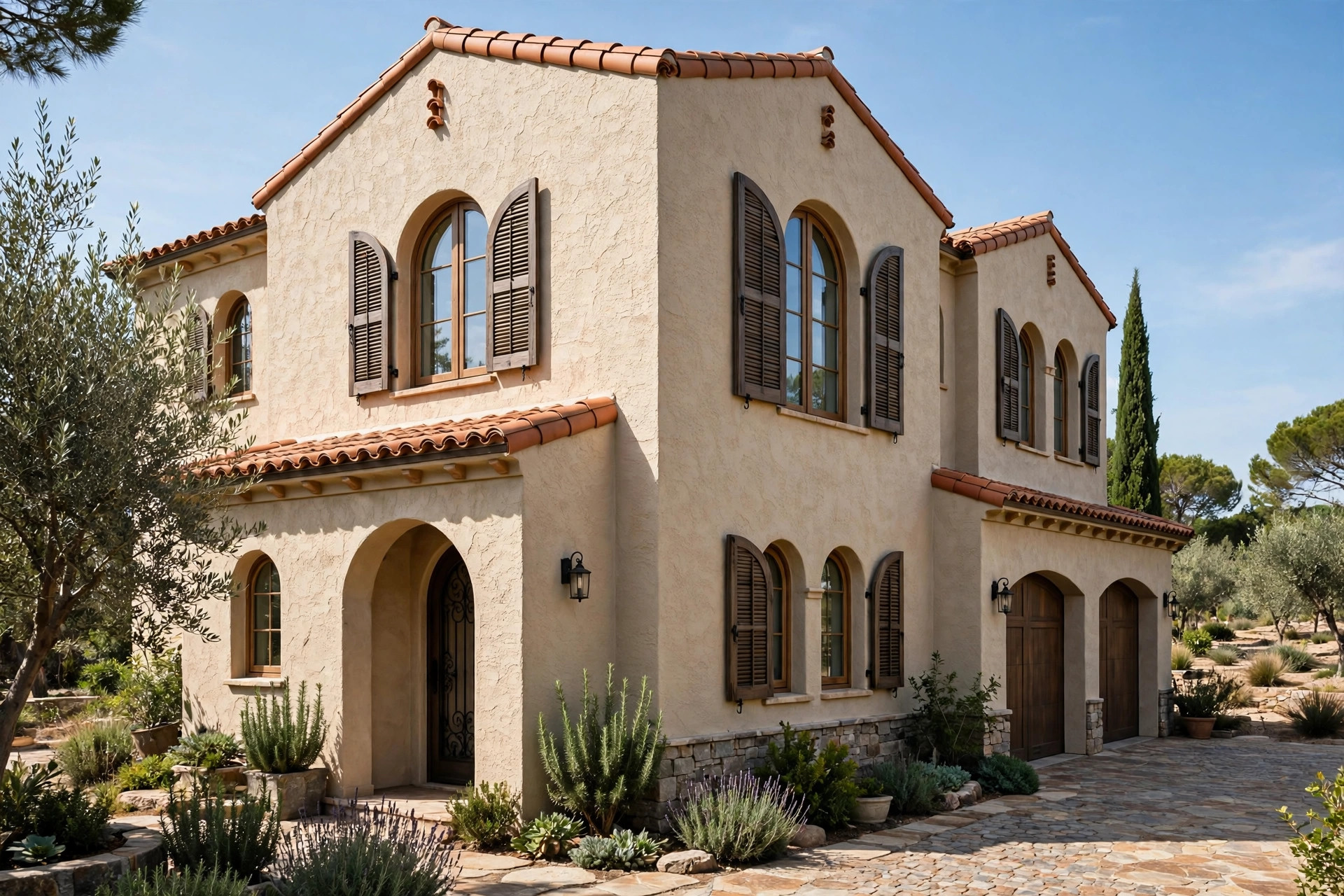
Stucco gives homes a timeless, textured look, and you will spot it on houses across the Washington, DC area — from historic garden apartments to Mediterranean-style renovations. But stucco in a humid climate like DC's demands respect for moisture management. Here is what DC homeowners should know before choosing or maintaining stucco.
What Stucco Siding Actually Is
Traditional stucco is a cement-based plaster applied in layers over a weather-resistant barrier and metal lath. When people say stucco today, they may also mean EIFS (Exterior Insulation and Finish System), sometimes called synthetic stucco — a layered system with foam insulation board underneath. They look similar but behave differently, especially regarding moisture.
Traditional hard-coat stucco is durable, fire-resistant, and breathable to a degree. EIFS offers excellent insulation and design flexibility, but older EIFS installations without proper drainage details developed a reputation for trapping moisture — a serious concern in DC's rainy, humid climate.
The Upside of Stucco
- Durability: properly installed stucco is tough and long-lasting.
- Fire resistance: cement-based stucco will not burn.
- Design versatility: textures and colors can be customized, and it pairs beautifully with brick and stone.
- Low maintenance: no painting cycles like wood; occasional cleaning and crack repair are usually enough.
The DC Challenge: Moisture
Here is the critical part. Stucco must be installed as a drainage system, not just a coating. Water will get behind any cladding — the question is whether it can get back out. In DC, where driving rain and humidity are facts of life, stucco needs a proper weather-resistant barrier, flashing at every window, door, and roofline, and drainage details like weep screeds at the base of walls.
Warning signs of stucco moisture trouble include staining below windows, soft or crumbling areas, efflorescence (white mineral deposits), and interior dampness on exterior walls. If your home has older EIFS, a professional moisture inspection is wise — specialists use probes to check conditions behind the finish without tearing walls apart.
What Good Stucco Work Looks Like
Quality stucco installation in this climate includes a continuous weather barrier, proper lath attachment, control joints to manage cracking, kick-out flashing where roofs meet walls, and correct clearances above grade. Repairs should address the underlying cause — not just patch the surface. Hairline cracks are normal and easily sealed; recurring cracks in the same spot suggest movement or moisture that needs investigation.
For DC homeowners considering new stucco, ask contractors specifically about their drainage details — the weather barrier, flashing integration, and weep screeds. These hidden layers determine whether your stucco thrives in this climate or becomes a moisture trap. A contractor who explains them clearly is one who installs them correctly.
Frequently Asked Questions
How long does stucco last?
Well-installed traditional stucco can last for many decades with basic maintenance — periodic inspection, sealing small cracks, and keeping water management details intact.
Is EIFS the same as traditional stucco?
No. EIFS is a multi-layer synthetic system with foam insulation; traditional stucco is cement plaster over lath. They have different installation requirements and moisture behaviors, so it matters which one your home has.
Can damaged stucco be repaired, or does it all need replacement?
Localized damage can usually be patched and blended. Widespread moisture damage behind the stucco is a bigger job that may require removing sections to repair the wall assembly underneath. A professional assessment will tell you which situation you have.
Does stucco work in DC's humid climate?
Yes, when it is installed as a proper drainage system with correct flashing. Many DC homes wear stucco successfully. Problems almost always trace back to installation shortcuts or neglected water management, not the material itself.
Concerned about your stucco? Call (206) 360-4969 and we will connect you with a local siding pro experienced with stucco inspection, repair, and proper moisture management for DC homes.
Ready to Talk Siding?
Call (206) 360-4969 and get connected with a local Washington, DC siding contractor today.
☎ (206) 360-4969